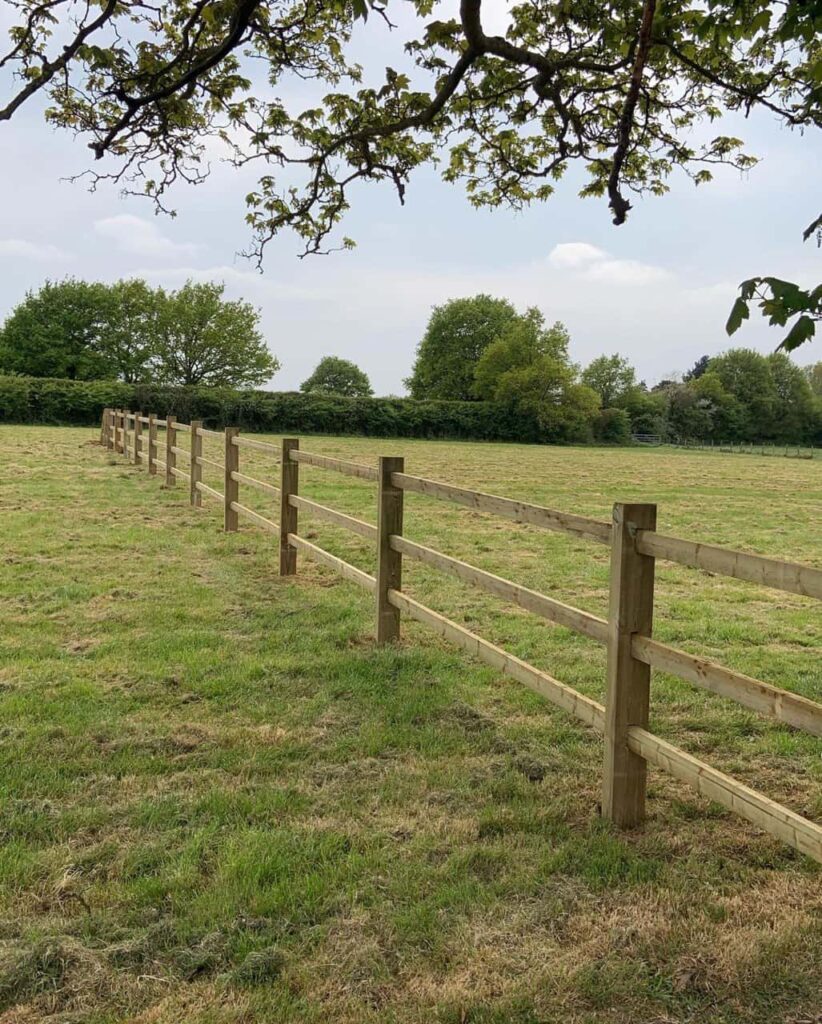
How Can Proper Stock Fencing Help Prevent Livestock Escaping?
Keeping livestock safely within their designated fields is essential for managing a farm efficiently. Whether you keep cattle, sheep or other farm animals, secure boundaries help prevent animals from wandering onto roads, entering neighbouring land or moving into areas where they could be injured. However, fencing that is damaged, poorly installed or unsuitable for the animals it contains can quickly become a weak point.
Proper stock fencing provides a reliable boundary designed around the needs of the livestock and the conditions of the land. For farms in Ely, Cambridge, choosing suitable fencing and maintaining it correctly can help reduce escape risks while making everyday livestock management more straightforward.
What Makes Stock Fencing Effective at Preventing Escapes?
Choosing Fencing Suitable for Your Livestock
Different animals place different demands on a fence. Sheep may squeeze through gaps that would contain larger livestock, while cattle can put considerable pressure on posts and wire when leaning or rubbing against a boundary. The size, behaviour and movement of the animals should therefore influence the fencing design.
Stock fencing commonly uses wire mesh with openings designed to help contain particular types of livestock. The mesh needs to be appropriate for the animals being kept, with secure lower sections where smaller animals might otherwise push through or become trapped.
Selecting the right fencing from the outset helps reduce the likelihood of escapes caused by gaps that are too large, unsuitable materials or a boundary that cannot withstand normal animal behaviour.
Installing Strong Posts and Secure Wire
Even good-quality fencing can fail if its supporting structure is weak. Fence posts provide the stability needed to keep wire in position, so they must be suitable for the ground conditions and installed securely.
Posts that lean, loosen or rot can cause the wire to sag and create openings along the boundary. Similarly, poorly tensioned wire may become easier for livestock to push aside or climb through.
Professional stock fencing installation focuses on creating a stable structure, with suitable post spacing, secure fixings and correctly tensioned wire. These details help the fence retain its shape and perform consistently under everyday use.
Preventing Gaps Along the Bottom of the Fence
Gaps beneath a fence are a common escape route, particularly for smaller livestock. Uneven ground, soil erosion and animal activity can create openings that gradually become larger if left unattended.
A well-planned installation takes account of the shape of the land and aims to keep the lower edge of the fencing suitably close to the ground. Where the ground rises or falls, the fence may need to follow the contours carefully to reduce openings without compromising its structure.
Regular checks are also important. If livestock begin digging near the boundary or soil movement exposes a gap, the affected section should be repaired before animals discover an opportunity to escape.
Securing Gates and Access Points
A fence is only as secure as its weakest point, and gates are often one of the most frequently used parts of a livestock enclosure. A gate that does not close properly, has a damaged latch or leaves a wide gap at the side can undermine an otherwise sound boundary.
Gates should be suitable for the animals being contained and fitted with secure hinges and reliable closing mechanisms. The surrounding posts must also be strong enough to support repeated opening and closing.
Farmers should check that gates shut fully after use and that latches remain secure. Where livestock gather near entrances, extra attention to the condition of the gate and its fittings can help prevent accidental escapes.
Reducing Damage Caused by Weather and Daily Use
Stock fencing is exposed to changing weather and constant pressure from animals, machinery and routine farm activity. Strong winds can affect unstable posts, while vegetation growing through the wire may make damage harder to spot. Vehicles and equipment can also catch or bend sections of fencing.
Periodic inspections help identify loose wire, broken strands, leaning posts and damaged connections before they develop into larger problems. Areas near gateways, feeding points and frequently used livestock routes may need particular attention because they often experience greater wear.
Prompt repairs help preserve the integrity of the enclosure and reduce the chance of livestock finding a weak section.
Why Professional Stock Fencing Installation Matters
Effective stock fencing requires more than placing wire between a series of posts. The layout must suit the land, the materials must be appropriate for the livestock and the supporting structure must be installed securely.
Professional fencing installation helps address these factors from the beginning. It can also help identify challenging sections of the boundary, such as uneven ground, corners and frequently used access points, where careful planning is especially important.
For livestock owners in Ely, Cambridge, a properly installed fence can support safer animal management, clearer field boundaries and fewer disruptions caused by escaped livestock.
Conclusion
Proper stock fencing helps prevent livestock from escaping by creating a secure, well-supported boundary with suitable mesh, stable posts and properly managed access points. Regular inspections and timely repairs are equally important for keeping the enclosure effective as conditions change.
Fast Fix Fencing Ely can help you choose and install stock fencing suited to your land and livestock requirements. If your existing fencing needs replacing, repairing or upgrading, contact us to discuss your requirements and arrange a suitable solution for your property in Ely, Cambridge.
Call us on: 01353 881 699
Click here to find out more about Fast Fix Fencing Ely
Click here to complete our contact form and see how we can help with your fencing needs.